Switching your dog to a senior food sounds simple. Walk to the pet store, look for the bag that says "Senior," buy it. Done.
Except it's not that simple — and "Senior" on a pet food label means very little without looking more closely at what's inside. Some senior foods are legitimately better formulated for older dogs. Others are just the same formula with a silver label and a higher price. And some are actually wrong for your specific dog's needs.
This guide covers what a senior dog actually needs nutritionally, how to evaluate food options, five products worth your consideration, what to avoid, and practical tips for feeding a dog whose relationship with food has changed with age.
Nutritional Needs of Senior Dogs
Dogs' nutritional requirements shift as they age. Here's what changes and why:
Protein: More, Not Less
This is the biggest misconception in senior dog feeding. For decades, the conventional wisdom was that senior dogs needed less protein to protect aging kidneys. This turned out to be wrong — and outdated guidance has left a lot of senior dogs under-muscled and weaker than they needed to be.
Current research from veterinary nutritionists is clear: healthy senior dogs need more high-quality protein than adult dogs, not less. The reason is sarcopenia — the progressive loss of muscle mass that happens with aging. Higher protein intake (along with appropriate exercise) combats muscle wasting. The kidneys of a healthy senior dog can handle normal to moderately elevated protein levels just fine.
The exception: dogs with confirmed, diagnosed kidney disease. Those dogs need protein restriction as prescribed by their vet. But a healthy 9-year-old Lab does not need a low-protein diet as a precaution. If you're feeding a senior food specifically because it's low-protein "for kidney protection," check with your vet about whether that's actually appropriate for your dog.
Look for foods with high-quality animal proteins (chicken, salmon, beef, lamb) as the first ingredients. The protein percentage for senior dogs should ideally be at least 25–30% on a dry matter basis.
Calories: Usually Lower, Sometimes Higher
Most senior dogs do need fewer calories — metabolic rate drops, activity levels decrease, and weight gain becomes easy. Obesity is one of the most damaging things for a senior dog's quality of life, accelerating joint disease, increasing heart strain, and reducing life expectancy. A food with 10–20% fewer calories than a standard adult formula is appropriate for most sedentary or mildly active senior dogs.
The caveat: some senior dogs have the opposite problem and struggle to maintain weight. This can happen with very elderly dogs, dogs with dental issues, or those with increased metabolic demands from illness. For these dogs, a higher-calorie food or adding calorie-dense toppers makes more sense than a "light" senior formula.
Fat: Quality Over Quantity
Fat provides energy and carries fat-soluble vitamins. Senior dogs don't generally need very high fat, but they do benefit from healthy sources — particularly omega-3 fatty acids from fish sources. Omega-3s help with joint inflammation, cognitive function, coat quality, and heart health. The omega-6 to omega-3 ratio in the food matters; most standard dog foods are heavily omega-6-dominant, which promotes inflammation. Look for foods that include fish meal, salmon, or added fish oil.
Fiber: Helps with Digestion and Satiety
Senior dogs often have slower, less efficient digestion. Moderate levels of digestible fiber support gut motility and help prevent constipation — a common issue in older dogs. Prebiotics and probiotics in the food can help maintain a healthy gut microbiome, which affects everything from digestion to immune function.
Antioxidants and Joint Support
Vitamins E and C act as antioxidants, helping to counteract the oxidative stress that contributes to cellular aging and disease. Look for foods that include these at meaningful levels. Some senior foods now include glucosamine and chondroitin — a nice bonus, though the amounts in food are typically not enough to replace a dedicated joint supplement in a dog with actual arthritis.
Wet Food vs. Dry Food vs. Fresh
Dry Kibble
The most convenient and usually most affordable option. Kibble has the advantage of a long shelf life, easy storage, and the mild mechanical dental benefit (though this is often overstated). The downside for senior dogs: it's typically lower in moisture, which matters because senior dogs are often less efficient at regulating hydration. Some senior dogs with dental pain also struggle with hard kibble.
If feeding dry, consider adding warm water or low-sodium broth to soften the kibble slightly and increase moisture intake. This is especially helpful for dogs with dental issues or reduced appetite.
Wet / Canned Food
Higher moisture content is a genuine advantage for senior dogs. Wet food is also easier to chew, more palatable (which matters for dogs with reduced appetite or smell sensitivity), and typically higher in protein relative to carbohydrates. The downsides: more expensive, doesn't keep as long once opened, and provides less dental scrubbing action.
For senior dogs who are finicky, have dental issues, or need increased hydration, wet food — or a mix of wet and dry — is worth the additional cost. Many senior dog owners settle on a combination: dry as the base, wet food mixed in for palatability and moisture.
Fresh / Gently Cooked Food
Fresh dog food (brands like The Farmer's Dog, Ollie, and similar) has grown enormously in popularity, and there's a genuine case for it: higher digestibility, better palatability, fresher ingredients, and ingredient transparency. For older dogs with digestive issues or picky appetites, fresh food often succeeds where kibble fails.
The honest downsides: significantly more expensive than dry food, requires refrigeration, and shorter shelf life. For a large senior dog, fresh food can run $80–$150+ per month. For many dog owners that's not realistic, and a high-quality kibble is a completely appropriate alternative. But if you're asking "is it worth it?" — for a senior dog with digestive or palatability issues, often yes.
5 Top Senior Dog Food Recommendations
1 Hill's Science Diet Adult 7+ Senior
🏆 Best Overall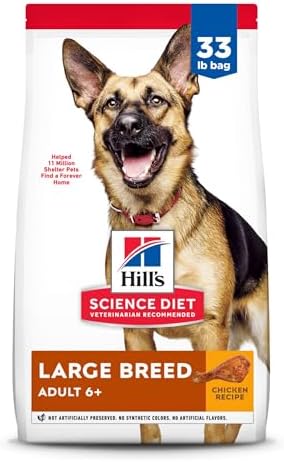
Hill's Science Diet has the most extensive nutritional research of any major pet food brand, and their 7+ Senior formula reflects that investment. It's formulated with adjusted protein levels for maintaining muscle mass, added antioxidants for immune and cellular health, and carefully calibrated calcium-to-phosphorus ratios for aging kidneys. The "7+" aging reflects the actual nutritional changes that happen at that life stage.
What stands out is the consistency — this food is what it says on the label, backed by feeding trials, not just formulated on paper. Veterinary nutritionists broadly respect Hill's Science Diet more than most consumer brands because of this commitment to clinical evidence. It's also widely available in vet offices, which is a signal of professional endorsement.
It's not the cheapest option and some dogs find it less exciting than more strongly-flavored foods. But for a reliable, well-researched senior formula, it's hard to beat as a starting point.
Pros
- Extensive clinical research backing
- Feeding-trial tested
- Widely vet-recommended
- Good protein quality and level
- Added antioxidants and vitamins
Cons
- More expensive than generic brands
- Some dogs find it less palatable than other options
- Corn as a carbohydrate source is controversial
2 Royal Canin Aging 12+ Dry Dog Food
👴 Best for Very Senior Dogs
Royal Canin takes a uniquely specific approach: they make foods formulated for specific ages, breeds, and health conditions rather than broad categories. The Aging 12+ formula is designed for dogs in the last portion of their lives — dogs over 12 who may have significantly reduced appetite, digestive challenges, and need highly digestible nutrition in every bite.
The kibble is specifically shaped to be easier to chew (softer and sized for older mouths). The formula has high-quality, highly digestible proteins, added EPA/DHA omega-3s, and very high palatability — Royal Canin's flavoring is genuinely excellent, and most dogs who've gone off food due to dental issues or reduced appetite accept this food readily.
It's relatively expensive for the bag size and is harder to find than Hill's. But for a very elderly dog who's finicky or needs highly digestible nutrition, the specificity of this formula is meaningful.
Pros
- Specifically formulated for 12+ dogs
- Highly digestible proteins
- Excellent palatability
- Kibble softness appropriate for older mouths
- EPA/DHA omega-3 included
Cons
- Expensive per pound
- Limited availability compared to Hill's
- Not ideal for younger seniors (7–10) — formula is very specifically late-life
3 Purina Pro Plan Bright Mind Adult 7+
🧠 Best for Cognitive Health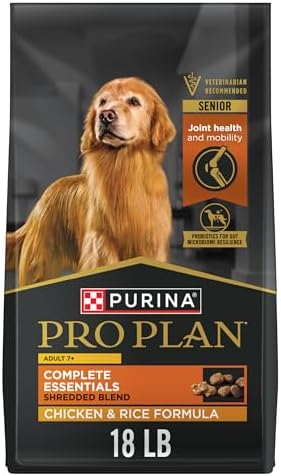
Purina Pro Plan is consistently at the top of nutritional rankings from veterinary professionals, and their Bright Mind formula is particularly interesting for senior dog owners: it's specifically designed to support cognitive function, with enhanced botanical oils (MCT — medium-chain triglycerides) that have clinical evidence for supporting brain metabolism in older dogs.
If your dog is showing any signs of Canine Cognitive Dysfunction (see our aging signs article), this formula is worth serious consideration. The MCT oils provide an alternative fuel source for aging neurons. A clinical study published in Neurobiology of Aging found that MCT supplementation improved cognitive scores in senior dogs on similar diets.
Beyond the cognitive angle, it's also just a very good senior food — high protein quality, well-balanced nutrients, and Purina's research-backed manufacturing. The protein source is real chicken as the first ingredient.
Pros
- MCT oils with clinical cognitive support evidence
- High-quality chicken protein
- Backed by Purina's extensive research
- Good availability and competitive pricing
- Many veterinary nutritionists' top recommendation
Cons
- Some grain-free-preferring owners object to grain content
- Not all flavors are equal quality — stick to the Bright Mind or Savor Senior lines
4 Wellness CORE Senior Grain-Free
🌿 Best Grain-Free Senior
I want to be upfront about the grain-free topic: the FDA investigated a potential link between grain-free diets and dilated cardiomyopathy (DCM) in dogs. The evidence was inconclusive, the investigation is ongoing, and many vets now recommend sticking with grain-inclusive foods as a precaution. That said, for dogs who genuinely do better on grain-free diets (dogs with confirmed grain sensitivities, or those who've always been on grain-free without issues), it remains an option.
Wellness CORE's Senior formula is one of the better grain-free options: high protein (chicken, turkey), no corn/wheat/soy, added glucosamine and chondroitin, and antioxidant-rich ingredients. The calorie management is well-done for seniors who tend toward weight gain.
The caveat: given the DCM concern, discuss grain-free feeding with your vet, especially for breeds predisposed to heart issues (Golden Retrievers, Boxers, Great Danes). For a healthy senior without cardiac risk factors and a reason to prefer grain-free, this is the best option in that category.
Pros
- High protein content from quality sources
- Glucosamine and chondroitin included
- Well-formulated for weight management
- Good palatability
- No artificial preservatives or colors
Cons
- Grain-free — ongoing DCM association concern (discuss with vet)
- Expensive
- Not recommended for heart-disease-predisposed breeds
5 Iams Healthy Aging Mature & Senior
💲 Best Budget Senior Food
Not everyone can afford premium dog food, and that's okay. Iams Healthy Aging is the most nutritionally complete option in the budget tier. Iams has been around since 1946 and has genuine veterinary research behind its formulas — it's not a store-brand mystery product. The senior formula has real chicken as the first ingredient, appropriate protein levels for seniors, and added L-carnitine to support lean muscle maintenance.
It won't win awards for exotic ingredients, but it meets AAFCO nutritional standards for senior dogs, it's consistent batch-to-batch, and most dogs eat it readily. For a healthy senior dog in a household where budget matters, this is a responsible choice that won't leave nutritional gaps.
Pros
- Very affordable
- Real chicken as first ingredient
- Meets AAFCO senior nutritional standards
- L-carnitine for muscle maintenance
- Wide availability
Cons
- Less research-backed than Hill's or Purina
- Lower-quality carbohydrate sources than premium options
- Not ideal for dogs with specific health conditions
Foods to Avoid for Senior Dogs
Most dangerous foods for dogs apply at any age — but some deserve extra attention in senior dogs whose organs are less resilient:
- Xylitol: Found in sugar-free gum, some peanut butters, and baked goods. Causes rapid insulin release and liver failure. Absolutely fatal risk at any age, but older dogs' livers are less forgiving.
- Grapes and raisins: Can cause acute kidney failure. The mechanism is still not fully understood, but even small amounts can be dangerous.
- Onions and garlic: Damage red blood cells and can cause hemolytic anemia. This includes powdered forms in seasonings.
- High-sodium foods: Table scraps, processed meats, cheese in large amounts — older dogs are more prone to hypertension and kidney stress, and excess sodium worsens both.
- Fatty foods and bones: Large amounts of fatty meat scraps can trigger pancreatitis, which is more dangerous in older dogs. Cooked bones splinter and can cause intestinal punctures.
- Chocolate, macadamia nuts, alcohol: Standard dog toxins — never appropriate at any age.
Be Careful With Table Scraps
The issue isn't just toxicity — it's that senior dogs' digestive systems are less tolerant of sudden dietary changes. Rich, fatty, or novel foods can cause vomiting, diarrhea, or pancreatitis more easily in older dogs than in younger ones. When giving treats or toppers, keep them consistent and simple.
Supplements Worth Adding
Even the best senior food may not cover all the bases. These supplements are worth considering (discuss with your vet):
- Omega-3 fish oil (EPA/DHA): Most senior foods don't include therapeutic levels. A high-quality fish oil like Nutramax Welactin addresses joint inflammation, cognitive function, and coat health. See our joint supplements guide for details.
- Glucosamine/chondroitin: Amounts in food are typically below therapeutic doses for dogs with actual arthritis. A dedicated supplement like Cosequin DS is more effective for dogs with joint pain.
- Probiotics: Support gut health and immune function. FortiFlora (Purina) is the most widely used and vet-recommended probiotic for dogs.
- Vitamin B12: Some senior dogs malabsorb B12 due to digestive changes, particularly those with GI issues. Low B12 can contribute to lethargy and cognitive fog.
Practical Feeding Tips for Senior Dogs
Transition Slowly
When switching to a new food, do it over 7–10 days, not overnight. Senior digestive systems adapt more slowly than young dogs'. Mix the new food with the old food in increasing proportions (25/75, then 50/50, then 75/25, then 100% new) to prevent digestive upset.
Smaller, More Frequent Meals
Two meals a day is standard, but senior dogs often benefit from three smaller meals. This reduces the digestive load at each sitting, helps maintain steadier blood sugar, and can be easier for dogs with reduced appetite — a full bowl can look daunting.
Raised Food and Water Bowls
For dogs with neck arthritis or back problems, bending all the way to the floor for every meal is painful. Elevated bowls at chest height reduce the range of motion required. (Note: there has been a concern about raised bowls and bloat in large breeds — the evidence is mixed and controversial. Talk to your vet about your specific dog's situation before switching.)
Prioritize Hydration
Senior dogs often drink less than they should, and reduced kidney concentrating ability means they're more vulnerable to dehydration. Encourage water intake by keeping multiple fresh water bowls around the house, adding water to dry food, or offering bone broth (low-sodium, onion-free). A water fountain appeals to some dogs who prefer moving water.
Weigh Your Dog Regularly
The best way to catch gradual weight changes — in either direction — is to weigh your dog every 2–4 weeks. You can do this at home with a bathroom scale (weigh yourself holding the dog, then weigh alone, subtract). Most vet offices also let you bring a dog in just to use the scale between appointments.
Frequently Asked Questions
Most guidelines suggest switching around 7 years for large breeds, 9–10 for small breeds — but look for signs rather than just birthdays. If your dog is maintaining healthy weight on their current food and has no health issues, there's no urgent need to switch. If they're gaining weight, showing joint issues, or have other age-related changes, a senior formula may be appropriate. Ask your vet for guidance specific to your dog's size, health, and current food.
Most senior dogs need 20–30% fewer calories than when they were young and active adults, assuming reduced activity. But not all do — some senior dogs actually struggle to maintain weight and need calorie-dense food. Follow your dog's body condition score (you should be able to feel the ribs easily with gentle pressure but not see them), not just their age. Your vet can help you assess whether your dog's current weight is appropriate and adjust feeding accordingly.
The FDA investigated a potential link between grain-free diets (particularly those using legumes like peas and lentils as primary carbohydrates) and dilated cardiomyopathy (DCM) in dogs. The investigation found a statistical association but no confirmed causal mechanism, and it has not been conclusively resolved. Many veterinary cardiologists recommend grain-inclusive diets as a precaution, particularly for breeds predisposed to heart disease. If your dog has been on grain-free for years without issues, the risk isn't necessarily high — but it's a good topic to raise with your vet.
First, rule out a dental or medical reason for reduced appetite with a vet visit. If it's preference-related: try warming the food (body temperature, not hot), adding a small amount of warm low-sodium chicken broth, or mixing in a tablespoon of wet food. Fresh dog food brands are significantly more palatable than kibble for most dogs. Try hand-feeding a few pieces to get them started. Some dogs prefer eating in quiet, calm environments away from commotion. If appetite loss persists, that's a vet conversation — unexplained appetite loss in a senior dog warrants investigation.
You can, but it's genuinely difficult to balance correctly without professional guidance. The most common mistake is calcium/phosphorus imbalance — homemade diets that are nutritionally complete for adult dogs often don't meet the specific needs of seniors. If you want to feed homemade, work with a board-certified veterinary nutritionist (not just "do your own research") to develop a balanced recipe. The website BalanceIT provides vet-formulated homemade recipes. A balanced commercial senior food supplemented with fresh food toppers is a much easier path to good senior nutrition for most people.
Summary: The Essentials
Senior dog nutrition in plain language:
- Protein: Keep it high and high-quality. Muscle maintenance matters.
- Calories: Reduce them (slightly) for most seniors to prevent obesity — but monitor individual dogs.
- Omega-3s: Add fish oil if the food doesn't provide therapeutic levels.
- Antioxidants: Vitamins E and C help counteract cellular aging.
- Digestibility: Highly digestible proteins and moderate fiber support aging digestive systems.
- Hydration: Actively encourage water intake — it matters more than most owners realize.
The best diet for your specific senior dog depends on their health status, weight, breed, activity level, and any conditions they've been diagnosed with. No guide replaces a conversation with a veterinarian who knows your dog. But the principles above give you a solid foundation for making informed choices.
Get Nutritional Bloodwork Annually
Senior wellness panels typically include kidney function, liver enzymes, and blood glucose — all of which can influence dietary decisions. Annual bloodwork after age 7 gives you data to make genuinely informed feeding choices rather than guessing. Many conditions are caught early this way, when diet and lifestyle adjustments can make the biggest difference.
This article contains affiliate links. We may earn a commission on purchases made through our links at no extra cost to you. See our affiliate disclosure. Content is informational only — consult your veterinarian for advice specific to your dog.